City guide

Compare Japanese cities by workspace access, transport, climate, and stay length.

Japan is easy to enjoy as a visitor, but choosing a remote-work base is a different decision. Use this guide to compare cities by work reliability, housing pressure, community access, transport, and practical friction after arrival.

Quick answer

Start with the city that matches the work pattern you actually need. Tokyo fits maximum convenience, Osaka fits a balanced big-city routine, Fukuoka fits community-led longer stays, Kyoto fits culture-focused slow work, Sapporo fits seasonal spacious living, and Okinawa fits warm-weather slowmads who plan around seasonality and mobility.

Match finder

Start with the work pattern you need to protect.

Stay length
Main priority
Work reliability
Daily movement
Season preference

Best match

Tokyo

Maximum convenience, deep transit, and the widest workspace backup network make Tokyo the safest first choice when meetings cannot fail.

Good alternative Osaka
Be careful if housing cost is the main constraint

Start here

Pick by the decision you are really making.

First Japan work stay

Tokyo

The safest default when you need English support, deep transit, events, late food, and several workspace backups.

Balanced big-city routine

Osaka

Best when you want strong infrastructure, lower intensity than Tokyo, and easy Kansai travel without changing base.

Community-led month

Fukuoka

The clearest match for compact daily life, airport access, startup energy, and visible digital-nomad positioning.

Deep work and culture

Kyoto

Strong for writers, designers, researchers, and slow routines when you secure a proper workspace outside peak crowds.

Winter or spacious season

Sapporo / Hokkaido

The strongest seasonal option for snow, space, mountains, and an urban base before wider Hokkaido travel.

Warm slowmad reset

Okinawa

Best for sea, recovery time, and slower living when you pre-check Wi-Fi, mobility, seasonality, and typhoon backup plans.

Compare

Practical comparison matrix

City Work reliability Housing friction Community access Mobility Season risk Best for Avoid if
Tokyo Strong Widest workspace backup network. High Cost and neighborhood fit matter early. Mixed Huge supply, fragmented entry points. Strong Rail-first daily life. Mixed Heat, rain, and peak demand affect comfort. First-time confidence, meetings, events. You need low monthly housing friction.
Osaka Strong Reliable big-city infrastructure. Medium Easier than Tokyo, still plan ahead. Mixed Social, but nomad routes are less explicit. Strong Excellent Kansai access. Mixed Summer heat and humidity need planning. Balanced city base and regional travel. You need a clearly packaged nomad scene.
Fukuoka Strong Compact city with good daily fallback options. Lower Better odds for month-plus livability. Strong Clearest official nomad signal. Strong Short city loops and airport access. Mixed Storm risk can affect side trips. Community, livability, compact routines. You need constant global-scale events.
Kyoto Good Strong with a planned workspace. High Peak tourism changes availability quickly. Interest-led Easier through hobbies and repeat places. Good Walk, bike, bus, and rail with crowd friction. High Peak crowds and heat affect work rhythm. Culture-heavy deep work. You rely on cafe work without backup.
Sapporo Good Reliable in the city, thinner outside it. Medium More space, but seasonal demand shifts. Smaller Works best with planned entry points. Seasonal City transit is workable; snow changes plans. High Winter logistics can reshape the workday. Snow, space, nature access. You need fast access to other Japan regions.
Okinawa Variable Depends heavily on exact area and stay. Seasonal Demand spikes around holidays and peaks. Smaller Relationship-led and experience-led. Variable Car dependence rises outside central areas. High Typhoons and peak pricing need backup plans. Warm slow living and recovery time. Your calls cannot tolerate local uncertainty.

Compare two

Test the real tradeoff between two possible bases.

Maximum convenience

Tokyo

For high-end convenience, meetings, events, and first-time confidence.
Best for
First-time confidence, meetings, events.
Work setup
Deep coworking, cafes, hotels, transit, and international services.
First base
Stay near a rail hub with multiple workspace backups.
Watch-out
Do not let convenience hide housing cost and neighborhood friction.
Community and livability

Fukuoka

For community, livability, and a compact daily loop.

Best for
Community, livability, compact routines.
Work setup
Compact city layout, coworking options, airport access, and short local travel times.
First base
Choose Hakata or Tenjin for easy first-week logistics.
Watch-out
Tokyo still has the deeper global-scale event pool.

City profiles

How each base actually feels

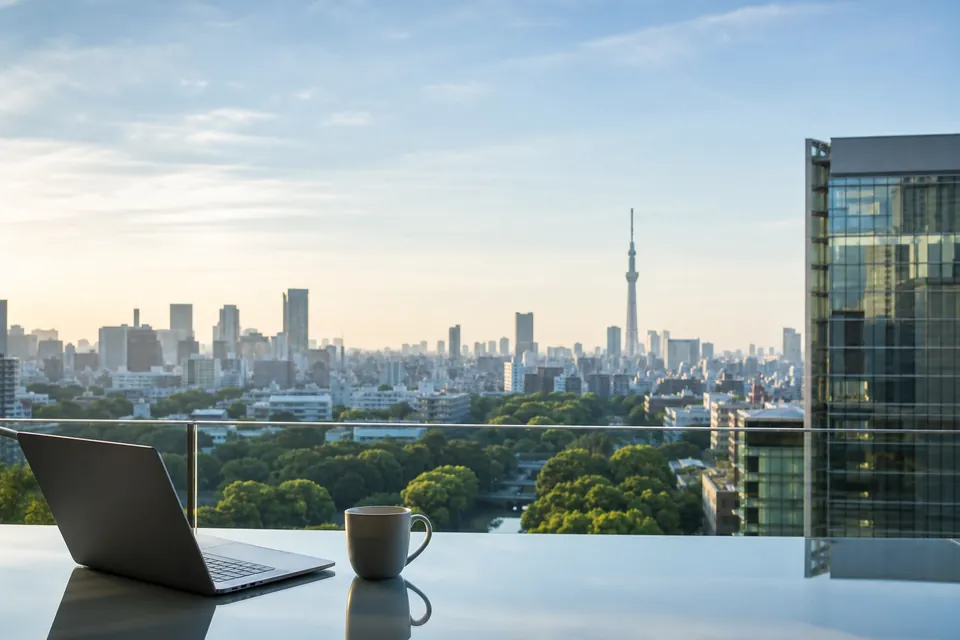
Tokyo skyline in soft morning light with greenery and a distant tower.

Tokyo

For high-end convenience, meetings, events, and first-time confidence.

Best for
first Japan work stay, client calls, events
First base
rail hub with several coworking backups
Season note
summer heat and peak demand raise friction
Avoid if
low housing friction is the top constraint
  • Work setup: the deepest choice of coworking, cafes, hotels, transit, and international services.
  • Housing reality: flexible stays exist, but cost and initial friction rise quickly for month-plus stays.
  • Community: huge supply of people and events, but newcomers often need to actively search for the right entry point.
  • Watch-out: do not assume convenience equals easy long-stay living. Neighborhood choice and accommodation strategy matter.
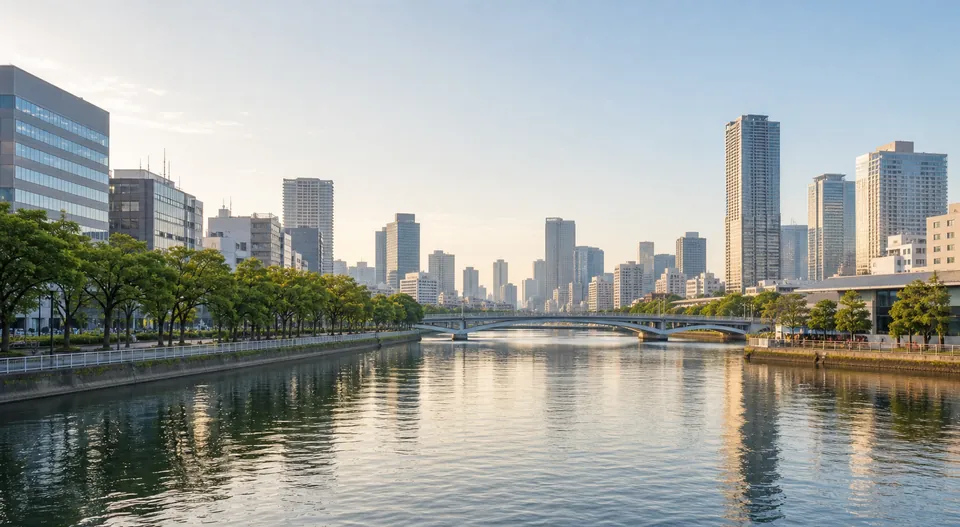
Osaka riverside skyline with bridges and calm morning reflections.

Osaka

For big-city practicality with a slightly more relaxed operating rhythm.
Best for
balanced city life, Kansai side trips
First base
near Umeda, Namba, or a direct work route
Season note
summer humidity can make indoor days better
Avoid if
you need an obvious nomad landing program
  • Work setup: strong urban infrastructure and easy regional travel across Kansai.
  • Housing reality: often less punishing than central Tokyo, but good monthly options still need early checking.
  • Community: social and open, though dedicated nomad pathways may be less visible than Fukuoka's.
  • Watch-out: choose your base around transit and workspace access, not only nightlife or sightseeing.
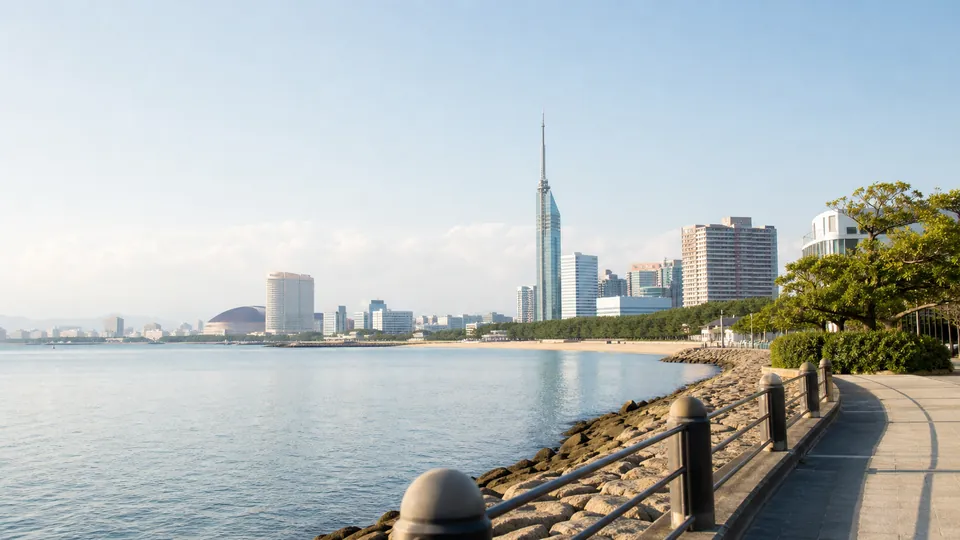
Fukuoka waterfront with a modern coastal skyline in bright morning light.

Fukuoka

For community, livability, and a compact daily loop.
Best for
month-plus stays, community, compact routines
First base
Hakata or Tenjin for first-week logistics
Season note
watch storm risk for Kyushu or island trips
Avoid if
global-scale events matter every week
  • Work setup: compact city layout, coworking options, food, airport access, and short local travel times.
  • Housing reality: generally more manageable than Tokyo, with better odds of a livable month-plus setup.
  • Community: the clearest digital-nomad signal among the first-wave Japanese city options.
  • Watch-out: if you need constant global-scale events, Tokyo still has the deeper pool.
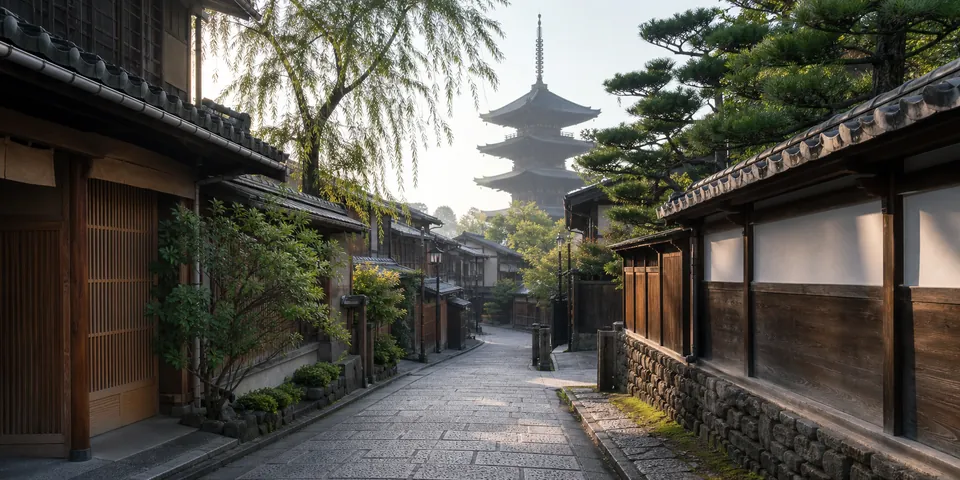
Quiet Kyoto street with traditional wooden buildings and morning greenery.

Kyoto

For culture-focused slow stays and deep work in a beautiful setting.
Best for
deep work, culture, slower routines
First base
choose transit and workspace over postcard views
Season note
peak tourism and heat can crowd the workday
Avoid if
you expect casual cafe work to carry the stay
  • Work setup: good for writers, designers, researchers, and slow-travel workers who do not need constant events.
  • Housing reality: peak tourism can pressure prices and availability.
  • Community: easier through hobbies, culture, language learning, and repeat local places than through pure nomad channels.
  • Watch-out: cafe work etiquette matters. Have a proper workspace backup.
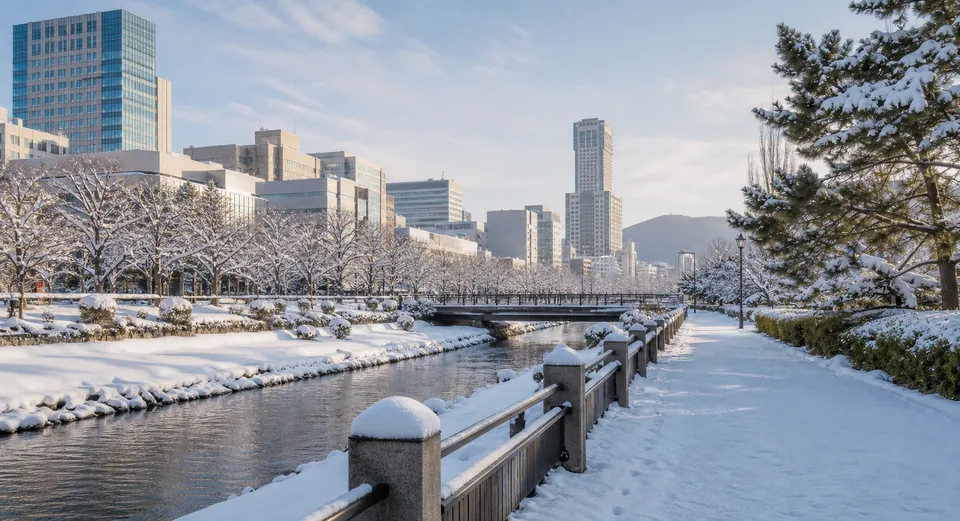
Sapporo winter cityscape with snow, a river path, and soft morning light.

Sapporo / Hokkaido

For seasonal stays, space, winter sports, and nature access with city basics.
Best for
winter, nature access, spacious seasonal work
First base
Sapporo before wider Hokkaido exploration
Season note
snow is the appeal and the operating risk
Avoid if
you need quick access across Japan every week
  • Work setup: Sapporo gives the most reliable urban base before exploring wider Hokkaido.
  • Housing reality: more breathing room than the largest cities, but seasonal demand can shift the equation.
  • Community: smaller and more local; plan specific entry points before arrival.
  • Watch-out: winter logistics, weather, and distance can change your daily productivity plan.
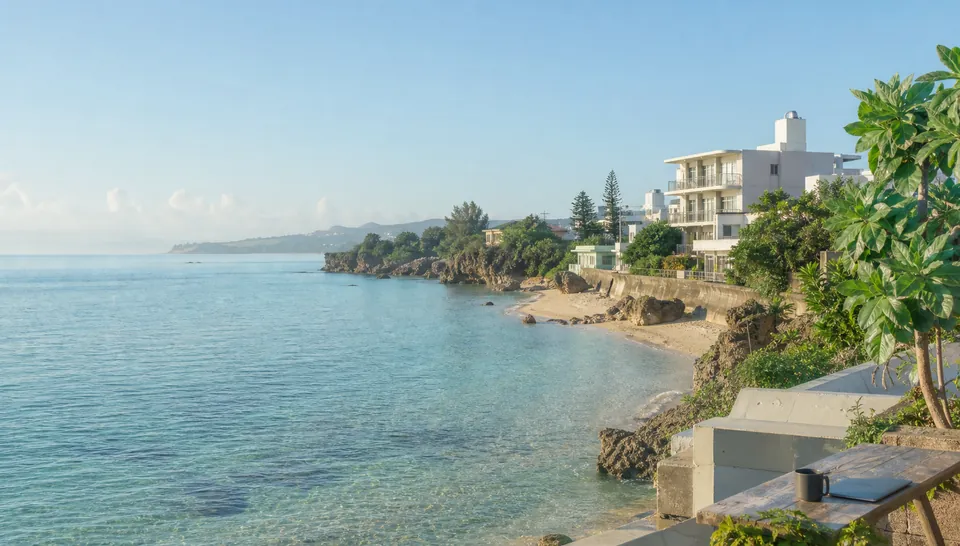
Okinawa coastline with clear water, greenery, and a quiet work terrace.

Okinawa

For warm-weather slow living, recovery time, and nature-led routines.

Best for
warm slow living, recovery time, sea access
First base
Naha or a verified coliving/work setup first
Season note
typhoon season and holidays change the plan
Avoid if
calls, transport, and backup space must be predictable
  • Work setup: works best when you pre-check Wi-Fi, workspace, and transport around your exact neighborhood.
  • Housing reality: seasonality matters, especially around holidays and high-demand travel periods.
  • Community: smaller, more relationship-led, and often tied to local stays, outdoor activities, or coliving.
  • Watch-out: typhoon season, car dependence outside central areas, and peak pricing can break a casual plan.

Arrival playbook

First 72 hours checklist

Whichever city you choose, the first three days decide whether the stay feels smooth or improvised. Confirm the basics before you start exploring.

  • Accommodation: check whether your first stay can be extended, and identify a second option before you need it.
  • Internet: test room Wi-Fi, mobile signal, video-call stability, and upload speed from your actual workspace.
  • Workspace backup: choose one coworking space or hotel lounge you can use when your room or cafe fails.
  • Daily life map: save the nearest station, supermarket, pharmacy, clinic, ATM, laundry, and late-night food option.
  • Community: join one local event, coworking community, language exchange, startup meetup, or hobby group in week one.
  • Compliance: keep your work within the scope of your visa or visitor status, especially if local clients appear.

Sources used

This guide uses public destination and official tourism sources where available. City notes without a listed source should be treated as editorial planning guidance and checked against current local information before booking.

Last reviewed: July 11, 2026